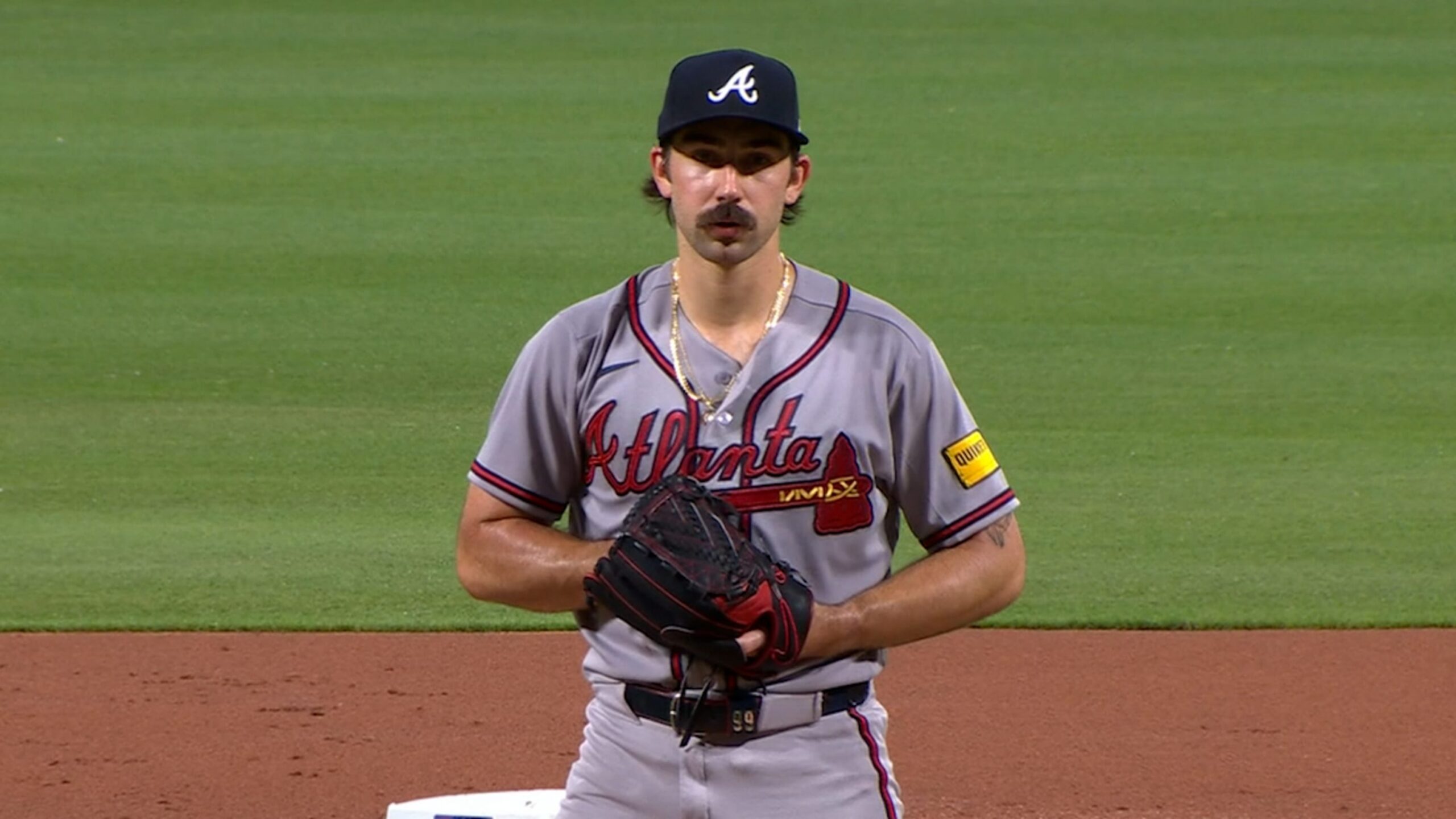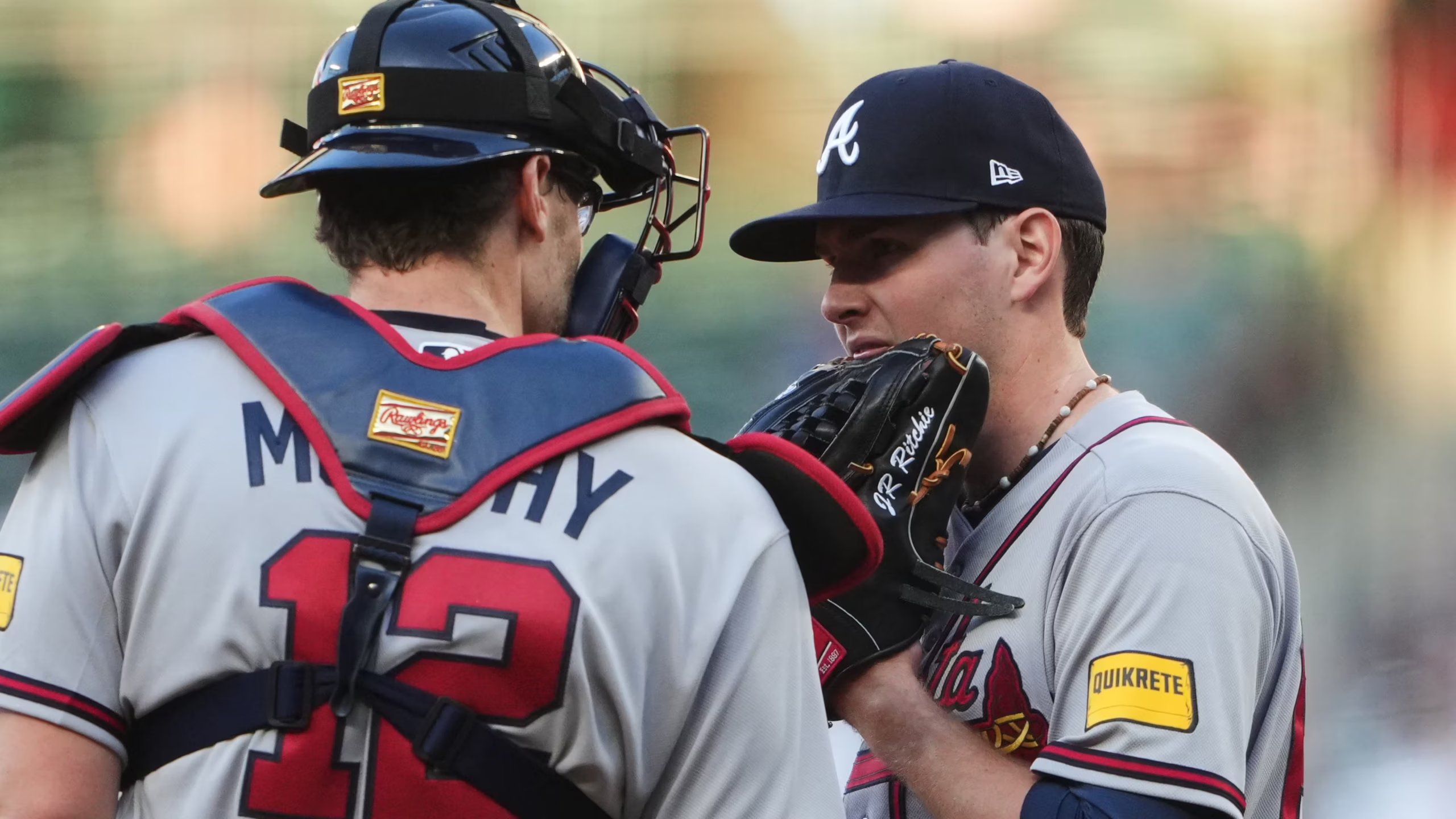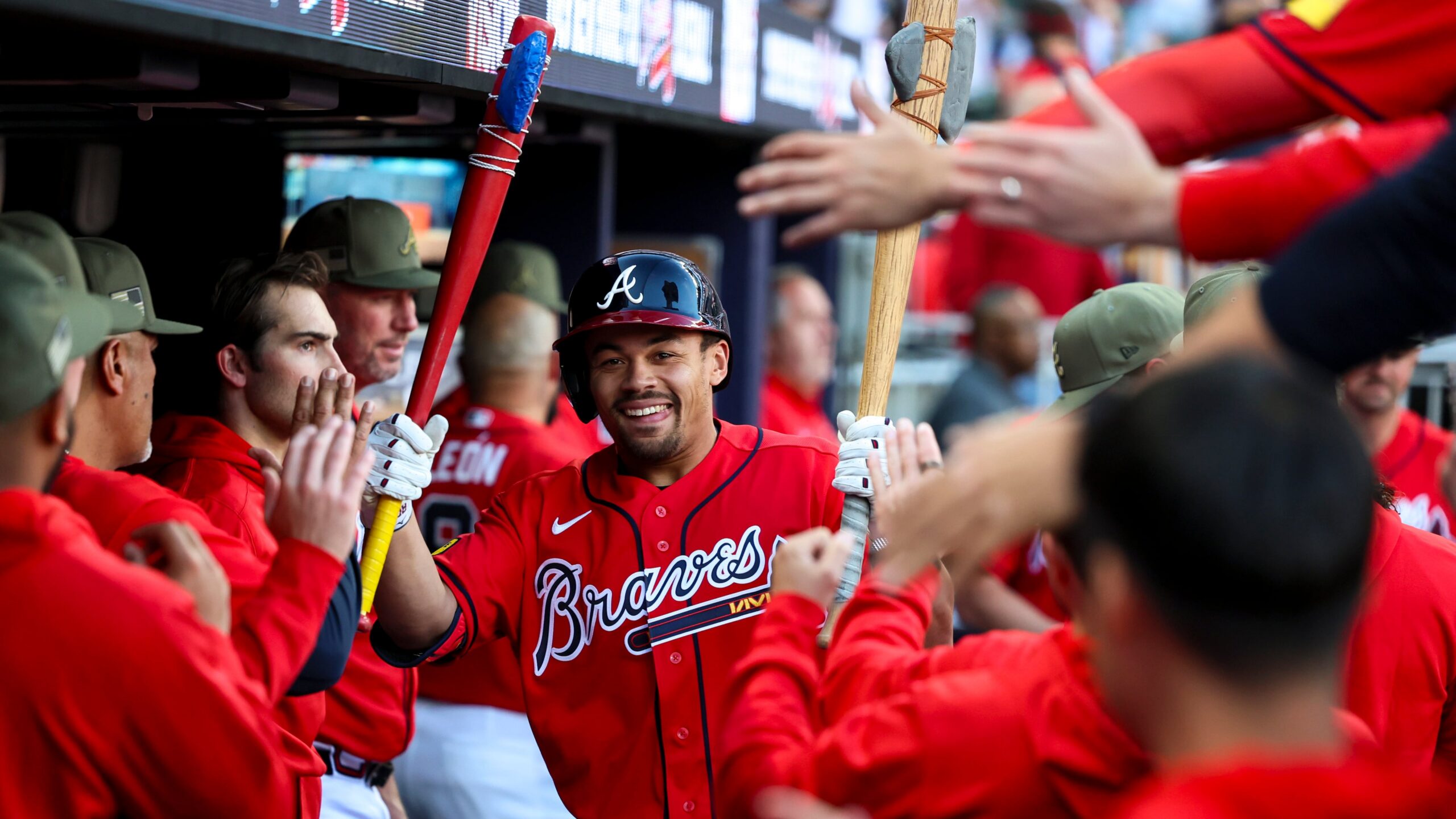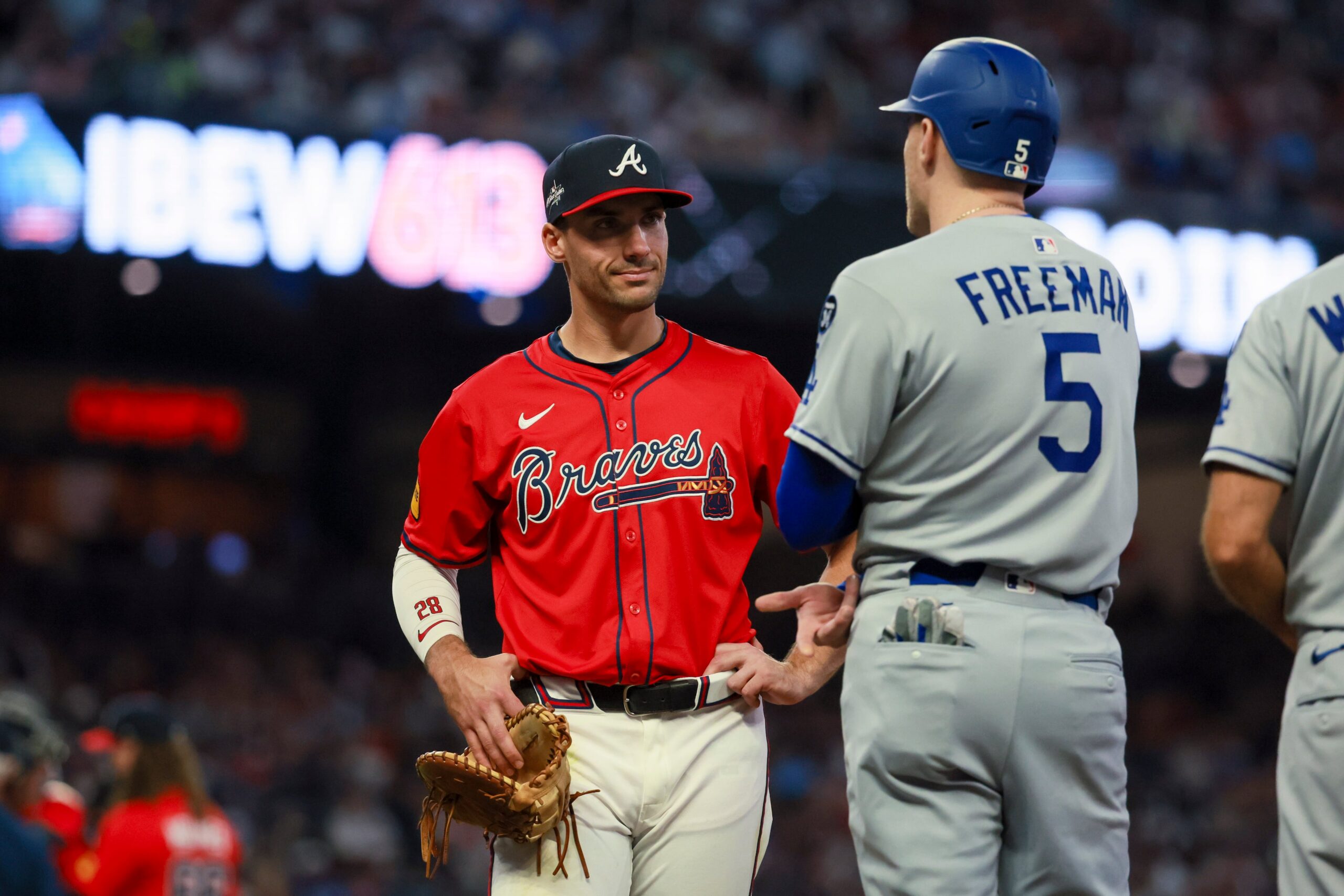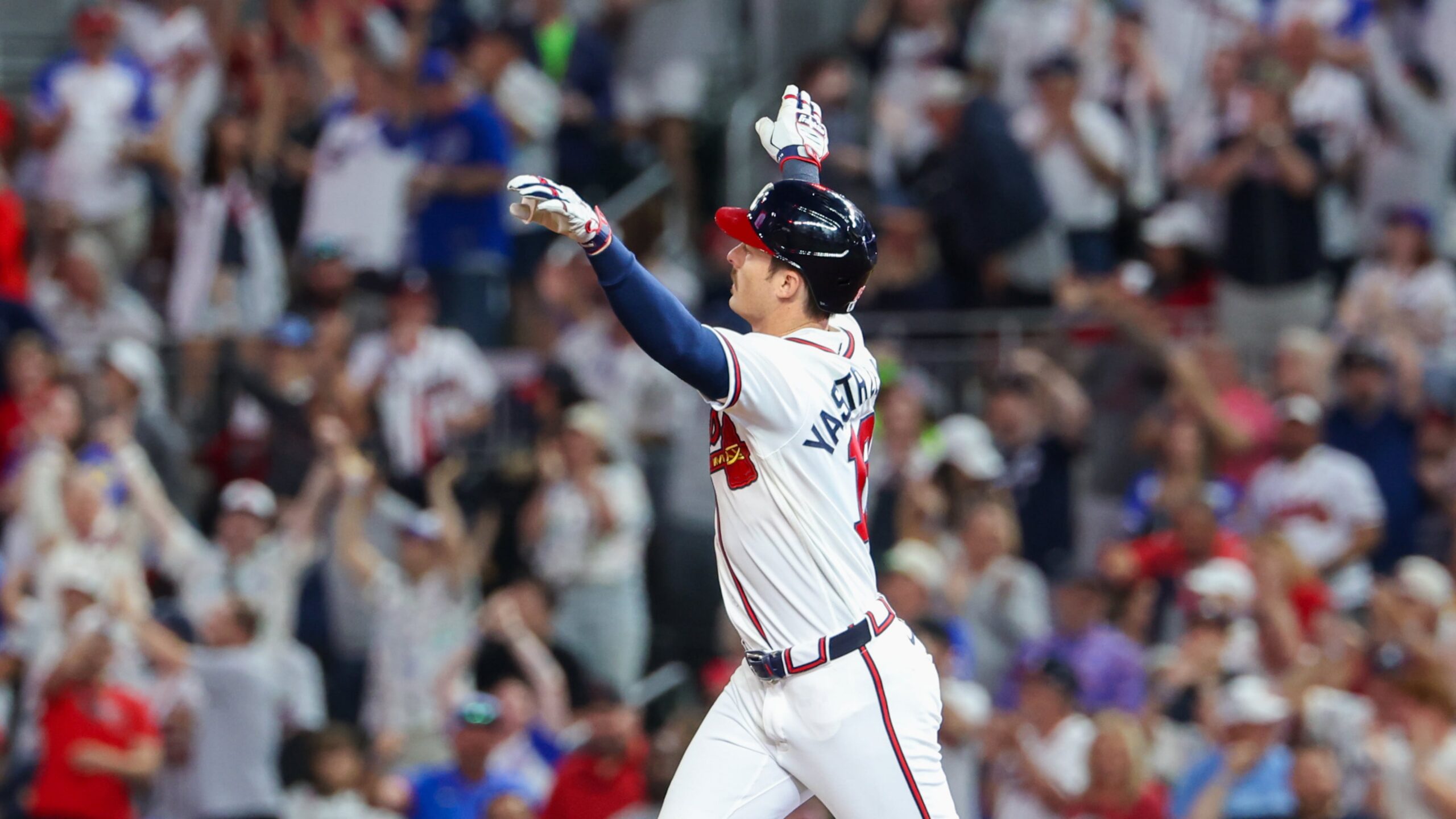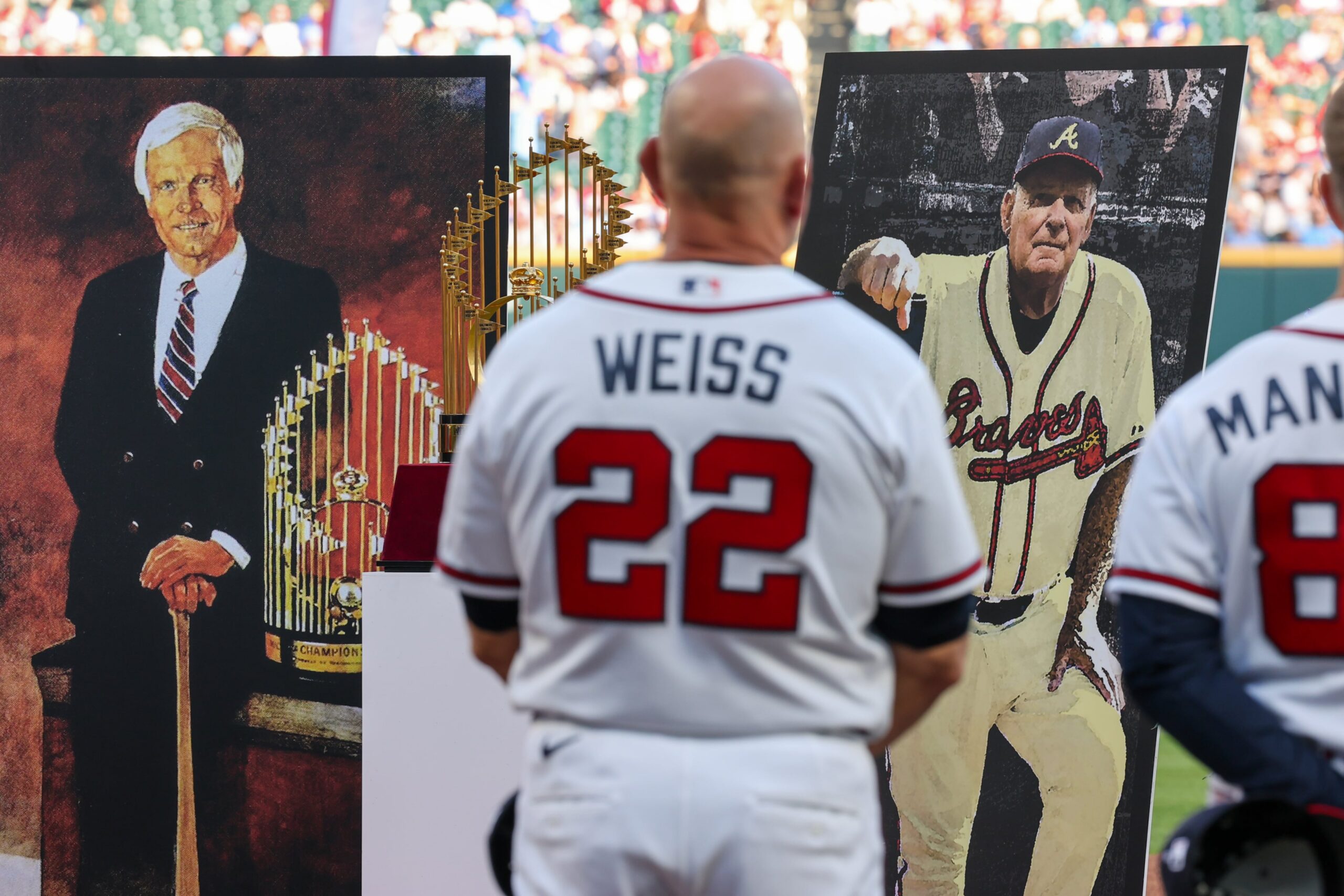

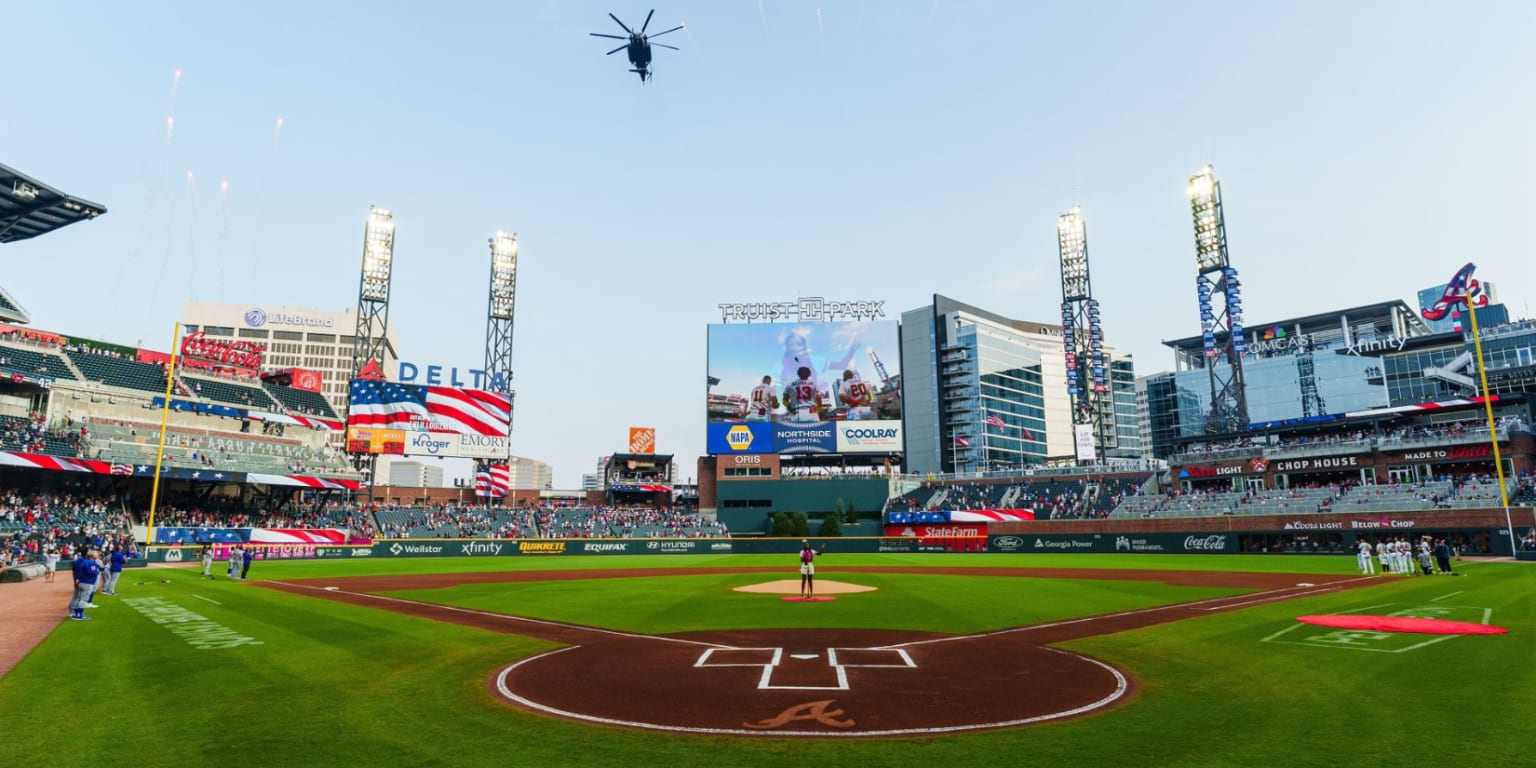
There’s always a certain electricity around Opening Day. Hope resets. Every team is undefeated. Ballparks once again fill with the sounds of vendors, batting practice, and the crack of the bat.
But Opening Day 2026 feels different.
With Major League Baseball’s Collective Bargaining Agreement set to expire on December 1, 2026, this season carries significance that goes far beyond the standings. While the games will unfold across the usual 162-game marathon, the future of the sport itself may quietly be taking shape behind closed doors.
That’s why this Opening Day carries more weight than most.
After the renaissance of baseball during the World Baseball Classic, the sport enters the 2026 season riding a wave of momentum. What unfolded wasn’t just a successful tournament—it was a global showcase that exceeded nearly every expectation.
Television ratings surged across multiple countries, with the championship game drawing massive audiences worldwide. In the United States, FOX reported 10.784 million viewers for the final—making it the most-watched World Baseball Classic game ever on U.S. television and one of the most-watched baseball broadcasts outside of the World Series in recent years.
Social media engagement exploded as well. Highlights circulated instantly—bat flips, clutch home runs, emotional celebrations—and younger audiences, often considered difficult for baseball to reach, tuned in at levels the sport hasn’t seen in years. The energy inside stadiums was electric, blending postseason intensity with international pride.
More importantly, the tournament reminded fans what baseball looks like at its absolute peak. For Major League Baseball, it was more than a spectacle—it was proof of concept: when the best players are placed on the biggest stage with something real on the line, baseball can still command the world’s attention. The final innings of the championship game carried a drama that felt bigger than the sport itself, a moment when global attention narrowed to a single field.
Fans around the world were reminded how thrilling baseball can be when the game’s brightest stars share the same stage. National pride, generational talent, and dramatic moments helped push the sport back into the global spotlight.
Now those same stars return to their major league clubs, where fans are eager to watch them compete over the next six months. From established veterans chasing championships to young phenoms defining the next era of the game, the 2026 season promises to deliver everything that makes baseball great.
But looming quietly in the background is something far less romantic:
Bargaining.
While players go about their daily routines—stretching before games, taking batting practice, preparing for another long season—representatives from Major League Baseball and the MLB Players Association will be meeting at negotiating tables. The stakes are enormous. At the center of those discussions is an issue that has defined labor battles in baseball for decades: the possibility of a salary cap.
The MLBPA has long held an unwavering position against one. For generations, the union has argued that a cap would artificially suppress player salaries and fundamentally change the economics of the sport. Their stance has been consistent, vocal, and deeply rooted in the history of baseball’s labor struggles.
Ownership, however, appears increasingly unified in the opposite direction.
With revenue disparities between teams widening and the cost of superstar contracts climbing to unprecedented levels, many within ownership believe a salary cap system—similar to those in the NFL and NBA—is inevitable. Some owners have reportedly grown frustrated with the current luxury tax structure, viewing it as an imperfect tool that does little to resolve the league’s competitive and financial tensions.
In short, the stage is set for a potential collision.
That doesn’t mean conflict is guaranteed. Baseball has avoided the catastrophic work stoppages that once plagued the sport for more than two decades. But the memory of the 1994 strike, which wiped out the World Series and scarred a generation of fans, still lingers in the background of every labor negotiation.
Both sides understand what’s at stake.
For players, it’s about protecting the financial structure they believe has allowed baseball to thrive. For owners, it’s about reshaping a system they argue is no longer sustainable. For fans, it’s something simpler: making sure the game they love continues to be played.
So as batting gloves are pulled tight for the first time this season, as fans stream through stadium gates, and as the annual 9-hot-dog, 9-beer, 9-inning challenges begin across the country, another storyline quietly runs parallel to the action on the field.
Every pitch thrown in 2026 moves the sport one day closer to that December deadline.
And with it comes the question hovering over the entire season:
Will there be baseball in 2027?