
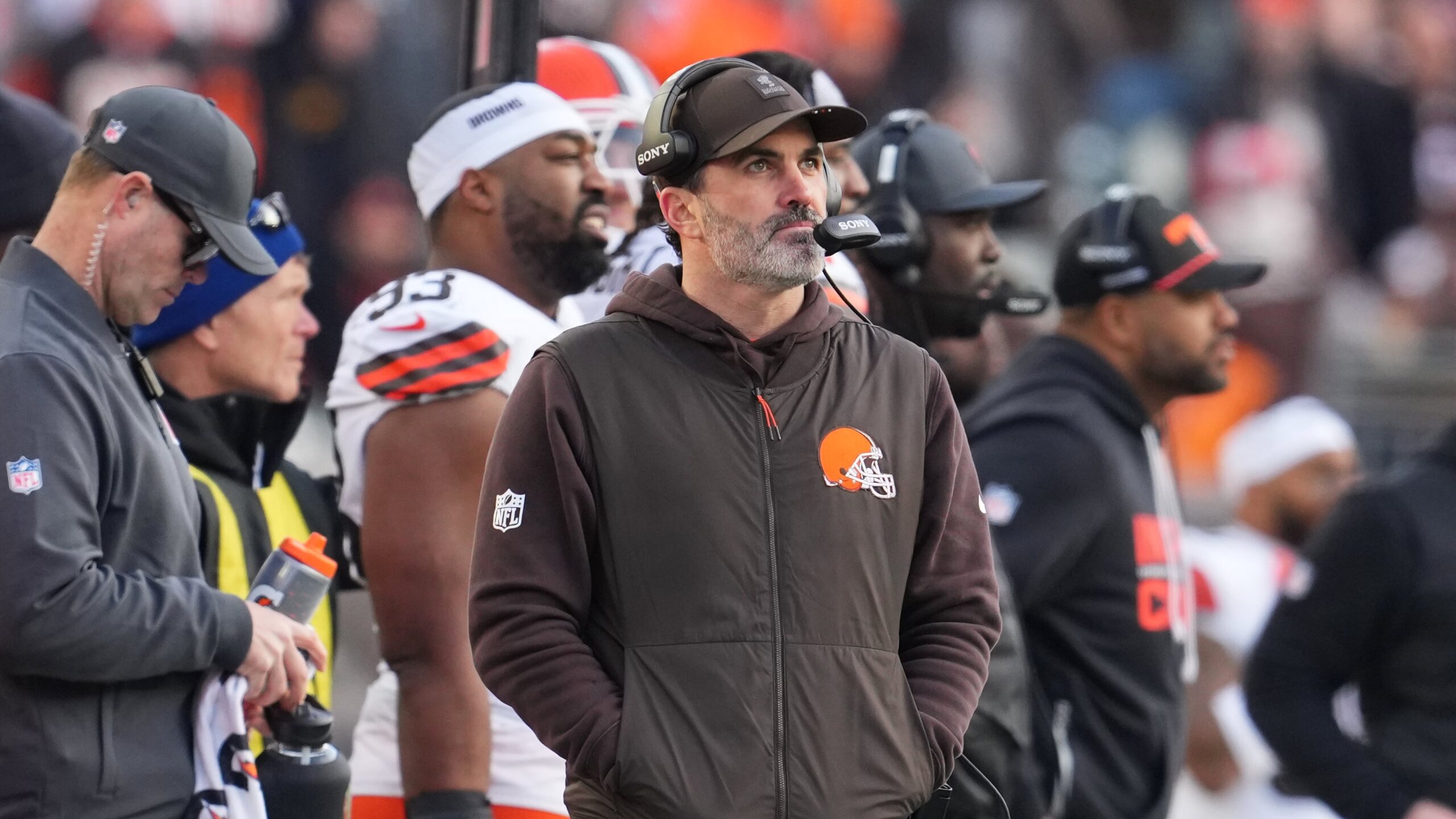
Kevin Stefanski’s six-season stint as head coach of the Browns was one of clear highs, frustrating lows, and intense scrutiny especially around how the team handled its quarterbacks. During his time in Cleveland, Stefanski was twice named NFL Coach of the Year and led the franchise to its first playoff win in over two decades, yet inconsistent quarterback play and a revolving door at the position often defined the narrative. The Browns cycled through numerous starters due to injuries and personnel shifts, including veterans and rookies alike, and ultimately finished with a 45-56 record before parting ways after the 2025 season.
Amid that swirling discussion, NFL reporter for CBS Aditi Kinkhabwala offered a more nuanced perspective, pushing back against the idea that Stefanski “failed” his quarterbacks. According to her reporting during a 92.9 The Game interview, Stefanski crafted detailed, individualized development plans for rookie quarterbacks like Dillon Gabriel and Shedeur Sanders, dedicating extra practice time and one-on-one meetings to help them acclimate. She emphasized that Stefanski didn’t just blanket-coach all young signal callers equally, but tailored his approach based on each player’s strengths and comfort level, even adjusting play-calling strategies when he saw fit.
What emerged from that discussion was a picture of a coach who worked diligently behind the scenes to develop talent, even if the results on the field didn’t always match the effort. Kinkhabwala’s comments underscored that Stefanski’s intentionality in handling quarterbacks went beyond surface-level criticism, showing a willingness to adapt his philosophies, spend extra time with players, and build confidence — characteristics that helped define his leadership. As Stefanski moves on to a fresh start in Atlanta, that deeper look into his Cleveland tenure offers valuable context for how he might approach quarterback development in his new environment.