
You could not say this just two months ago, but it is undoubtedly clear that Atlanta basketball is in a great spot.
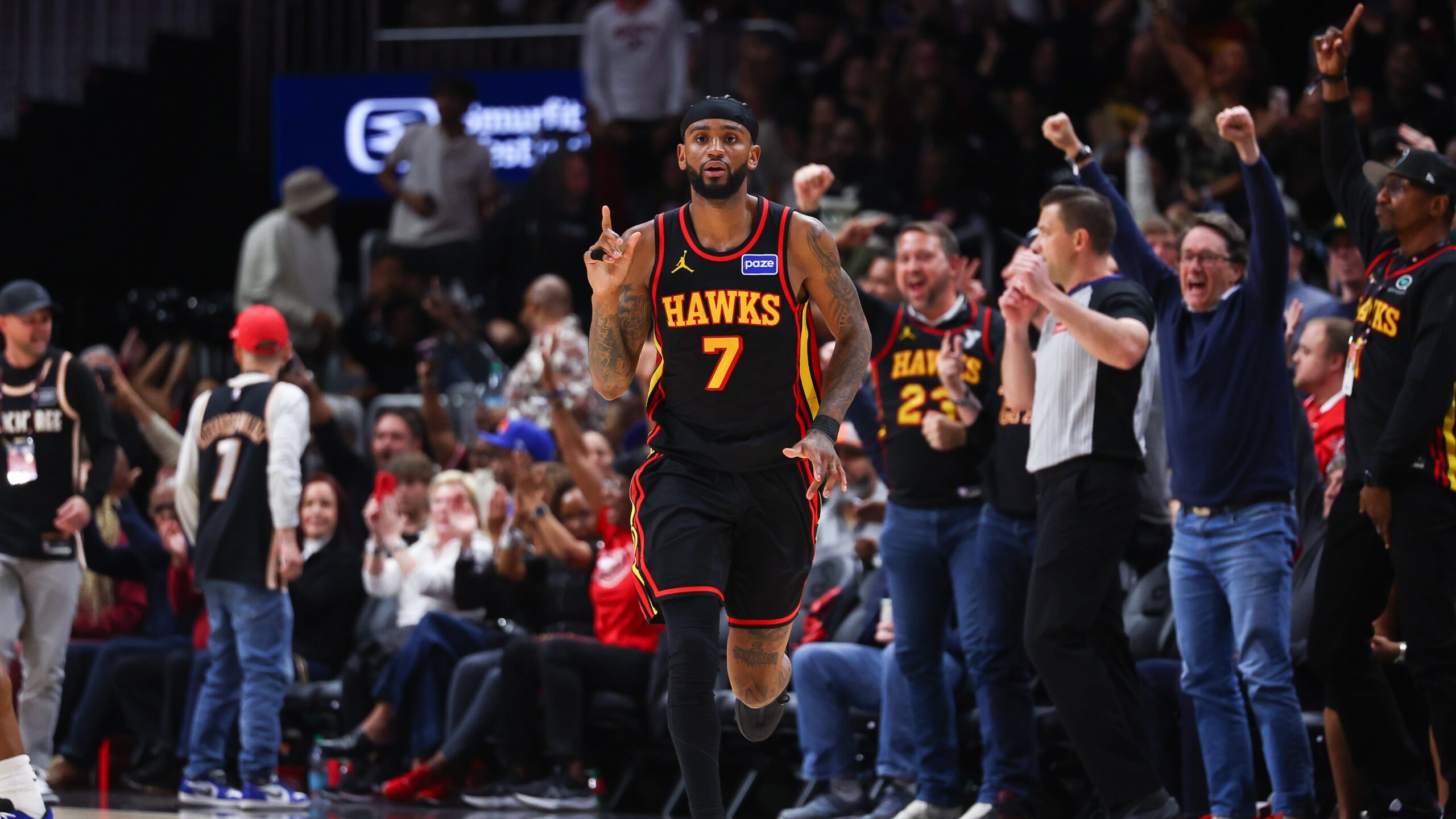
The Hawks, winners of 20 of their 25 games since the All-Star break, have now avoided the play-in and can still potentially get the #5 seed in the Eastern Conference. Led by Jalen Johnson’s growth into stardom and likely Most Improved Player Nickeil Alexander Walker, with help from new faces like CJ McCollum and Jonathan Kuminga, the team is playing entertaining basketball and is tagged to pull potential playoff upsets. All that said, Atlanta is still facing some major looming questions before the postseason, the answers of which will be critical to their end-of-year success and offseason outlook.
Do Quin Snyder’s Rotations Limit the Team’s Ceiling?
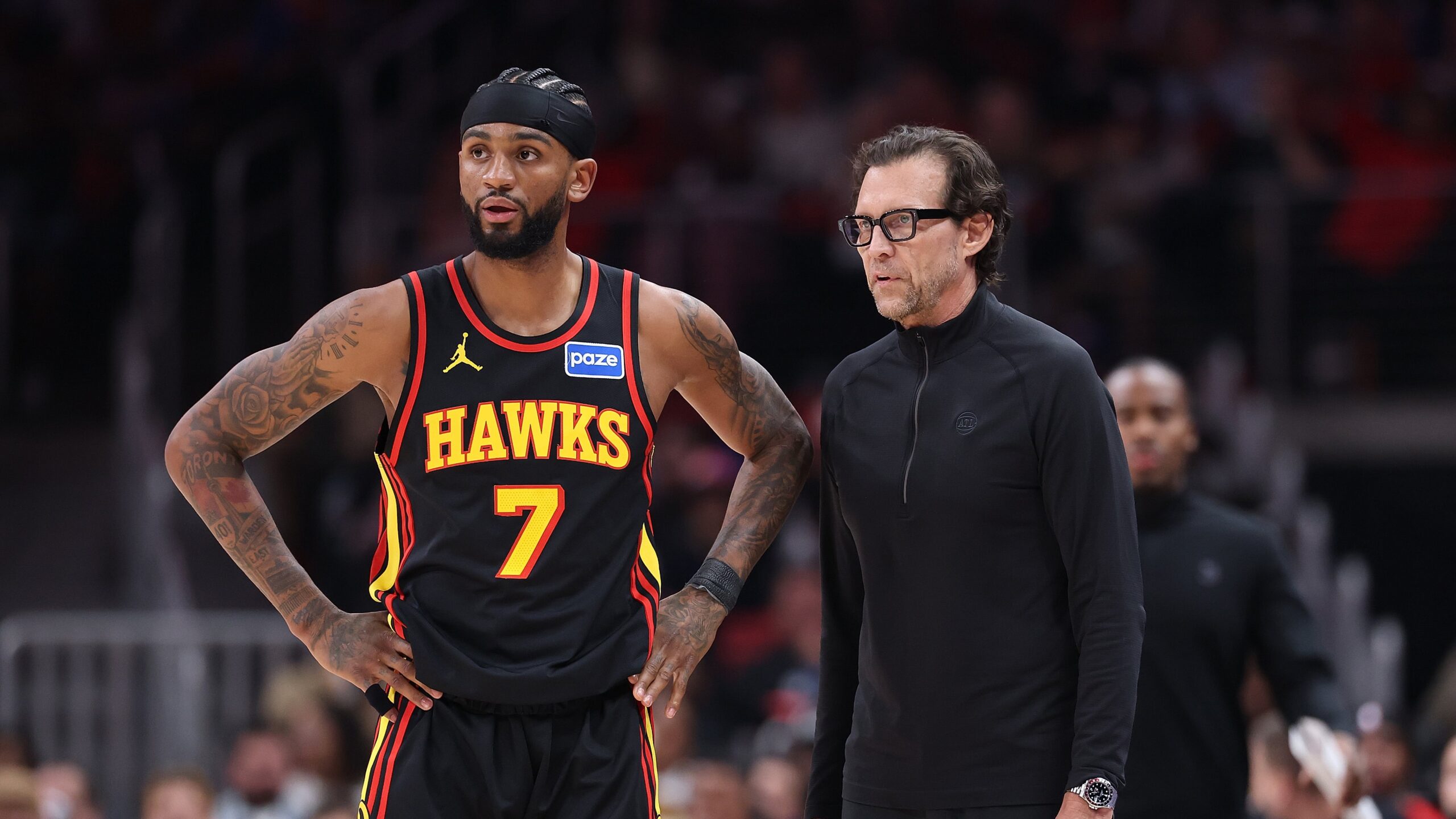
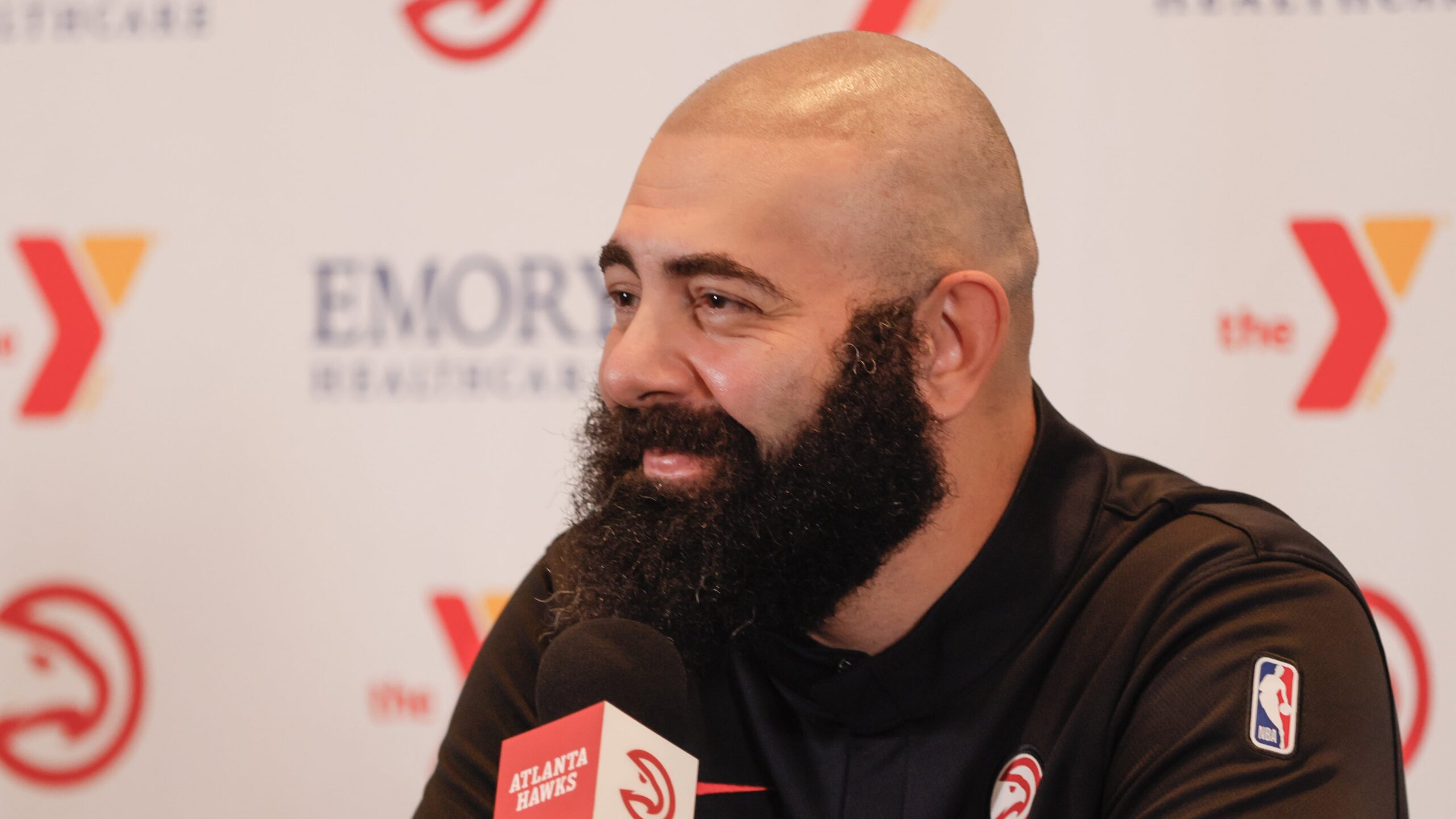
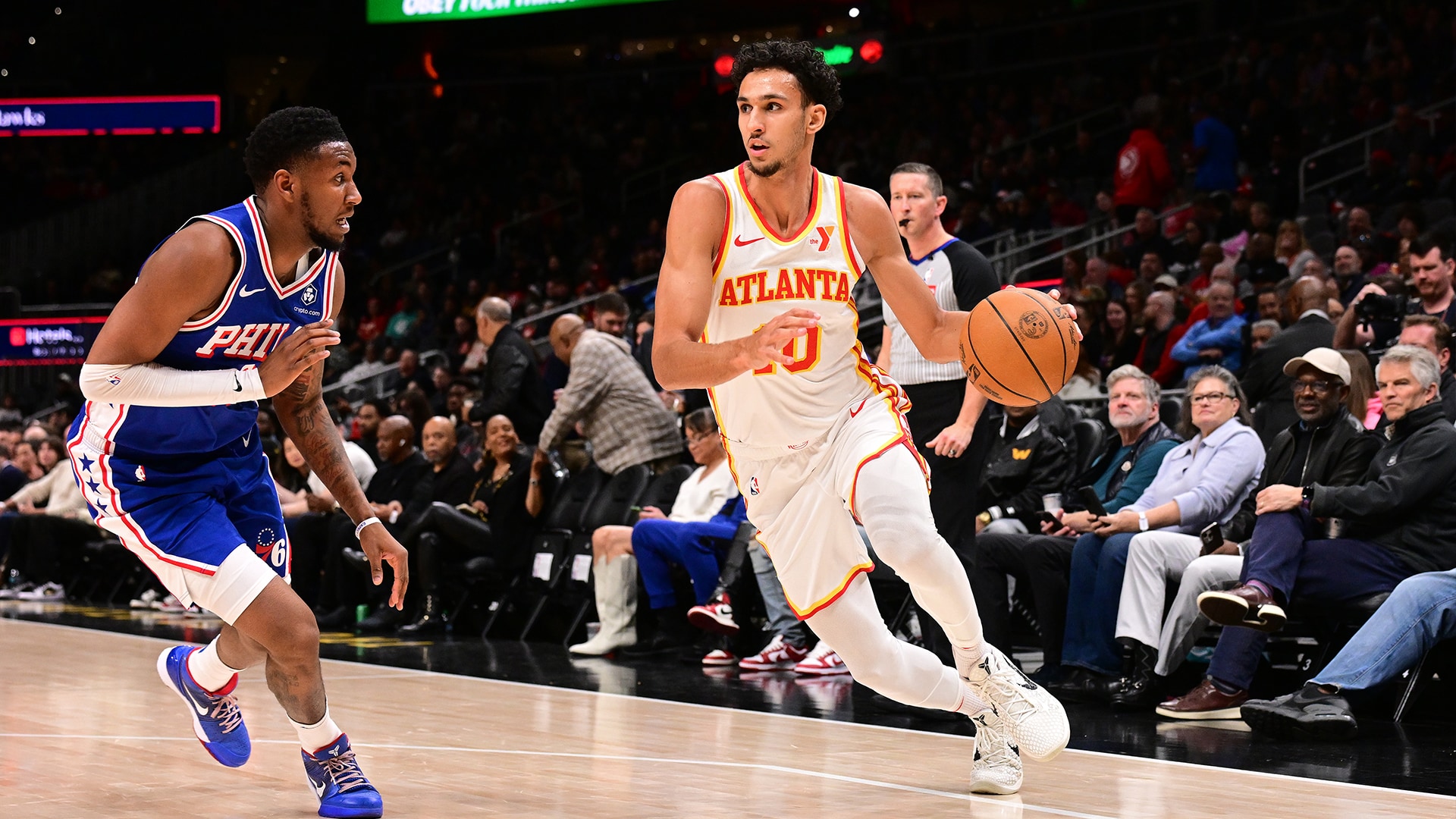
In a few years time, the former Jazz head coach has transformed the Hawks into a defensively strong, ball movement-heavy squad with sizable wings and multiple points of attack, but when players are struggling to execute his gameplan, lineup choices become odder and odder over time. The most glaring example of this is Zaccharie Risacher, who slowly lost minutes in the rotation after some poor performances to start the year. Although he had seemingly been gaining some of that time back with great efficiency from three and solid point-of-attack defense in a bench role, Snyder handed him his first ever healthy DNP against the Cavaliers this past Wednesday. The Hawks head coach is trading off minutes for a young player, crucial for talent development and confidence, for what he believes will better help the team win now. Is he wrong? Not necessarily, as Risacher’s struggles creating his own shot and average athleticism have held the team back on occasion, but not only are there ways to balance development and winning, but there are better ways to manage the minutes for players in place of Risacher.
Take Jonathan Kuminga, for example, who has become the clear backup small forward since he was traded to Atlanta. There are some moments where his attacks in transition and explosiveness absolutely lift the team, but there have additionally been plenty of times where his shot will not fall and Snyder keeps him in. In contrast, Risacher is quickly taken off when shots aren’t falling and is even sometimes dragged to the bench when they are. The argument here is not about who is the better player right now, but how minutes are maximized by the coach.
What about Corey Kispert? In the most recent game against Cleveland, Kispert was instantly targeted by Cleveland to attack on defense and drive past into the paint. His perimeter and man-on-man defense has been a liability in multiple games. The former Wizards’ shooting, while extremely hot at times, is considerably more inconsistent than Risacher, Kuminga, and other Hawks bucket-getters, yet he gets more minutes off the bench over Risacher on average. The argument here is now about who is the better player AND the best use of rotations for winning games.
Quin Snyder additionally makes odd game-by-game decisions when it comes to the non-wings off the bench. Mo Gueye and Gabe Vincent minutes cannot be predicted, and they are occasionally brought in against teams that can exploit their weaknesses on the offensive side of the ball. Recent first round draft pick Asa Newell has been banished to DNP’s after some incredibly efficient shooting performances earlier in the season. Most famously, Snyder was insistent on playing the Keaton Wallace-Vit Krejci-Luke Kennard backcourt trio that was always quick to kill momentum.
With the majority of minutes as of late going to a 7-man rotation, Snyder’s decision making when it comes to using depth is going to be crucial to advancing past the first round. And, depending on the management of minutes, fans may be able to tell just how much of a ceiling this current Hawks roster, or at least its core, has under Snyder for the future. He’s certainly not losing his job in the offseason after the midseason turnaround of form, but the long-term success viability under the current head coach remains a big question mark after previous struggles getting over the hump in Utah.
Can The Team Make Up for Being Undersized?
The tallest current players on the Atlanta Hawks are Christian Koloko, Jock Landale, and Mo Gueye at 6’11”, followed closely by Asa Newell, Onyeka Okongwu, and Tony Bradley at 6’10”. On paper, this makes Atlanta appear like they have a sizable front court, but it is anything but in reality.
Bradley, Newell, and Koloko barely get any minutes, so we are going to remove them from our analysis. Starting with Jock Landale, he has decent physicality, but that has not perfectly translated into solid defending in his time as a Hawk. The presence he offered is now in jeopardy for the playoffs after an ankle sprain from a dirty foul taken against the Orlando Magic. Mo Gueye and starting center Onyeka Okongwu are stronger defenders, but they are both paper thin in build. Okongwu’s major weakness, which leads many fans to better see him as a power forward, is his struggle to box out more physically strong centers and take in rebounds. He has a low count of 5.7 defensive boards per game for the 25-26 season, while the Hawks overall are 18th for rebounds per game and in the lower half for offensive rebounds per game.
Atlanta has made roster decisions that intentionally have given up size in the front court for a size advantage on the wing that better fits Snyder’s system. However, teams have been able to exploit this. Jarrett Allen, Evan Mobley, Jalen Duran, and others have recently thrived in the paint in potential playoff preview matchups. Even with Landale’s expected return, will it be enough to beat the best teams in the East? Will the Hawks even be able to afford the best options to fix this issue in the offseason?
Most importantly, can the Hawks hide their weakness now in any way and consistently outscore opposition if need be?
Is Jalen Johnson a True #1 Option?
It was mentioned earlier, but Quinn Snyder has put a lot of pressure on his starting lineup with the majority of minutes to pull off victories against quality opposition. No greater burden falls upon anyone other than Jalen Johnson, thrust into being the franchise cornerstone and #1 option after the Trae Young trade to Washington. With averages of 22.6 points, 10.3 rebounds, and 7.9 assists per game, he seems to have done a great job under the spotlight. Watching games, his quick catch and shoot from the midrange, strong post moves, speed in transition, and unbelievable playmaking give him all the tools to lift the team to greater heights in the writer’s opinion.
However, fans have been wary about Jalen’s iso scoring and shot creation ability. For the 25-26 season, Johnson has averaged a low 0.77 points per iso possession and shoot just 37% from the field in iso (Soaring Down South). His field goal efficiency does seem to go down against tougher opposition, as well, dragging down overall quality performances. He recently went 4-16 against the Cavaliers, 8-19 against the Knicks, and 9-21 against the Celtics within the last two weeks.
Now, unlike being undersized, the Hawks can do a better job at covering up this weakness. Alexander-Walker and McCollum can take control of one-on-one moments when needed, although the latter is streaky at times. Additionally, the offense is so focused on ball movement that Johnson may not find himself in these situations often. However, facing the Cavs, Knicks, Pistons, or Celtics, there will inevitably be big game moments in which you have to give the ball to your star player and attack head on, considering how close the Hawks have played these teams throughout the regular season.
I would trust the season in the hands of Jalen Johnson, and at only 24 years old, these concerns on becoming a clutch bucket getter seem a little overblown from Atlanta sports fans naturally used to worrying. But, that doesn’t devoid all the truth of the argument, so it’s up to the young star to rise up to the moment and win games in the clutch.